August 28, 2026
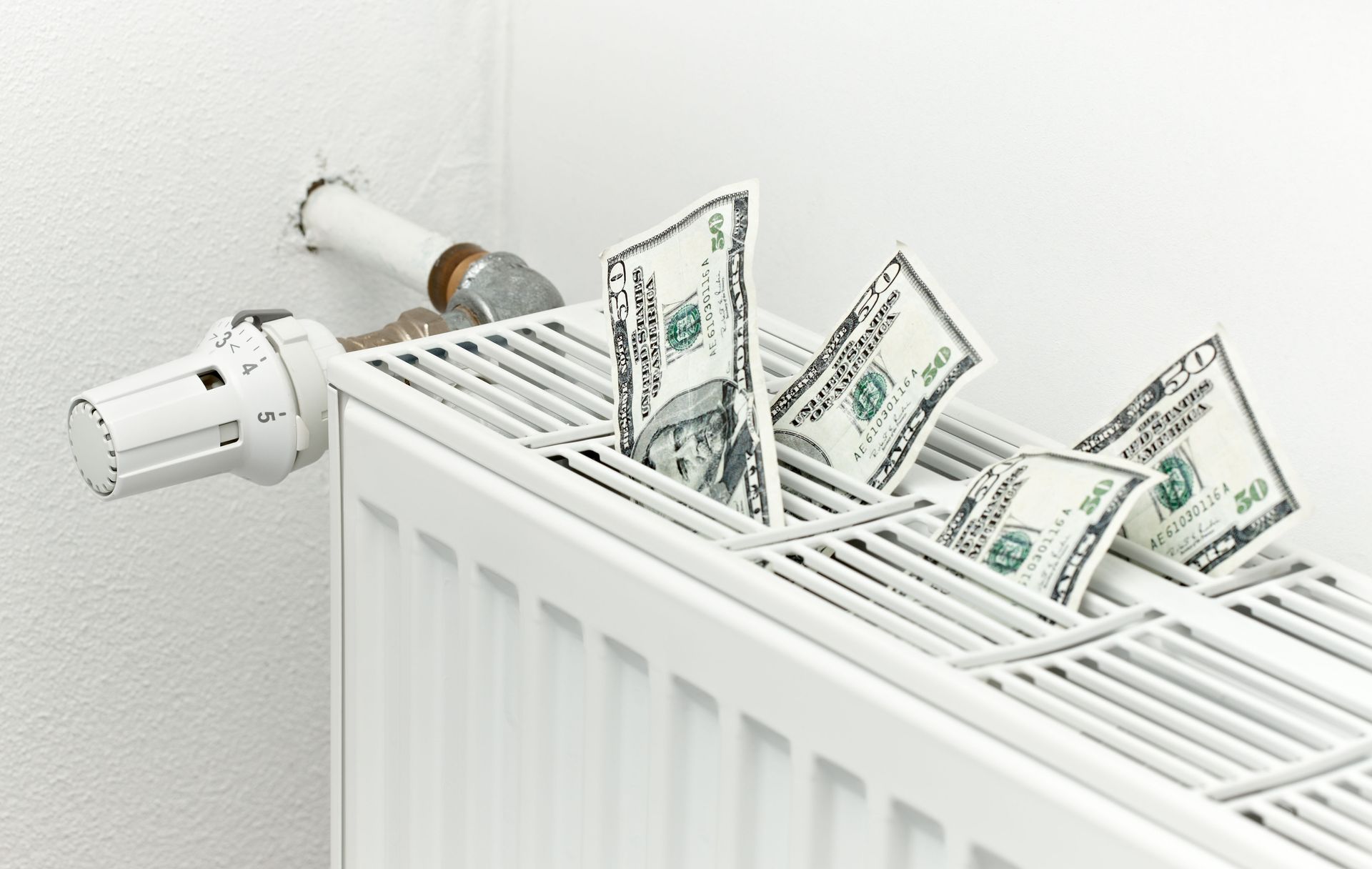
Keeping a living space comfortable during freezing winters and sweltering summers often comes at a steep financial price. Energy bills seem to steadily rise each year, leaving many homeowners searching for practical ways to cut back on monthly expenses. The common assumption is that lowering utility costs requires sacrificing daily comfort, such as turning off the heating system during cold spells or suffering through humid summer afternoons without cooling. However, maintaining a pleasant indoor environment and reducing power usage do not have to be mutually exclusive goals. By making strategic adjustments to daily habits, upgrading system components, and seeking professional guidance, you can optimize your living space for maximum efficiency without compromising your lifestyle.
Managing your indoor climate efficiently begins with recognizing where energy loss occurs most frequently. Heating and cooling systems consume the largest portion of household energy, accounting for roughly half of the average home's utility expenses. When these systems are forced to work harder due to mechanical strain, air leaks, or poor insulation, electricity and gas consumption skyrocket. Addressing efficiency issues at their root allows your primary climate control units to run less frequently while achieving superior temperature control throughout every room.
Optimizing Airflow and Air Filters
One of the simplest yet most effective ways to lower your energy expenses is to maintain unrestricted airflow throughout your mechanical systems. Air delivery systems rely on a steady intake and exhaust cycle to heat or cool your living area evenly. When dust, pet hair, and airborne debris accumulate on internal components, system efficiency drops significantly. Ensuring that all air return grilles and supply vents remain unobstructed by furniture, curtains, or rug placements is an essential first step toward efficient thermal circulation.
Filters play a crucial role in maintaining both air quality and mechanical health. When a filter becomes clogged, the system's fan motor must exert extra energy to draw air through the dense layer of trapped particles. According to data from the U.S. Department of Energy, swapping out a clogged HVAC filter can reduce your air conditioner's energy use by anywhere from 5% to 15%. Making a routine habit of checking and replacing filter media every one to three months prevents unwanted strain on blower motors while maintaining a high standard of indoor air quality. When simple filter maintenance is neglected, calling on certified HVAC services becomes necessary to clear out the dust accumulation from internal coils and blower assemblies.
Mastering Thermostat Control Strategies
Temperature management is often a game of slight adjustments rather than drastic changes. Many homeowners make the mistake of cranking the thermostat to extreme settings in an attempt to warm or cool a home faster. Modern heating and cooling equipment operates at a continuous, fixed output rate regardless of where the target temperature is set, meaning extreme settings only cause the unit to run longer and waste valuable energy. Establishing small, consistent temperature setpoints yields far better financial results over time.
Investing in a programmable or smart thermostat can automate these adjustments to match your daily schedule seamlessly. Raising the setpoint by a few degrees during summer work hours or lowering it slightly during winter nights allows your home to consume significantly less power when peak comfort is not required. Smart thermostats go a step further by learning your family's routines, adjusting temperatures based on local weather conditions, and offering remote access through smartphone applications. For homeowners unsure about compatibility or proper wiring techniques during installation, consulting experts in HVAC services ensures the device is calibrated correctly to deliver maximum savings.
Sealing Drafts and Improving Insulation
Even the most efficient heating and cooling equipment will struggle to keep power bills low if conditioned air is constantly escaping through structural cracks. Windows, doors, baseboards, and attic hatches are common culprits for air leakage. Drafts allow cold winter air to penetrate the living space while leaking cooled air outside during summer months, forcing climate control equipment to run almost continuously. Locating and sealing these leaks creates a protective envelope around your home, locking in desired temperatures.
Inexpensive materials like weatherstripping and silicone caulk can seal drafty window frames and door sweeps with minimal effort. In addition to sealing gaps, inspecting attic insulation levels can yield massive returns on investment. Proper attic insulation prevents heat from rising out of the home during winter and stops radiant roof heat from warming living areas during summer. If draft issues persist despite applying basic sealants, scheduling professional HVAC services can help identify hidden ductwork leaks within crawlspaces and walls that cause conditioned air to escape before ever reaching your rooms.
Utilizing Passive Heating and Cooling Techniques
Leveraging natural environmental elements allows you to assist your mechanical climate systems with zero added energy costs. Natural sunlight is a powerful heating source during winter months. Opening blinds and curtains on south-facing windows during sunny winter days allows solar radiation to naturally warm interior rooms, reducing the frequency with which your furnace needs to ignite. Conversely, closing window coverings during hot summer afternoons blocks thermal energy from penetrating your home, drastically reducing the workload on your air conditioning equipment.
Air movement also plays a pivotal role in personal comfort perceptions. Ceiling fans create a wind-chill effect on human skin, making a room feel several degrees cooler than the ambient air temperature without lowering the actual thermostat setting. Running ceiling fans counterclockwise in the summer allows you to raise the thermostat setting without feeling warmer. During winter, reversing the fan direction to run clockwise at low speeds pushes rising warm air down from ceilings to redistribute heat evenly. Combining these passive strategies reduces overall reliance on intensive thermal systems, delaying the need to call for major HVAC services caused by operational wear and tear.
Managing Humidity and Indoor Air Quality
Humidity levels drastically alter how comfortable a home feels at a given temperature. Excess moisture in the air during summer makes interior spaces feel sticky and warmer than the actual thermostat reading. When humidity is high, people tend to lower the air conditioner temperature further, driving up electrical consumption unnecessarily. Utilizing exhaust fans in kitchens and bathrooms helps remove moisture at the source, while dedicated dehumidification equipment allows you to feel comfortable at higher summer thermostat settings.
During winter, dry indoor air absorbs moisture from human skin, making the body feel colder even when the home is warm. Low humidity often leads homeowners to turn up the heat higher than necessary, adding to winter heating bills. Incorporating a whole-home humidifier adds moisture back into the air, allowing interior spaces to feel warmer at lower temperatures. Balancing indoor humidity protects furniture, improves respiratory health, and minimizes the overall workload placed on climate machinery. If humidity levels remain difficult to regulate independently, reaching out for specialized HVAC services can help evaluate whether integrated air quality systems need to be added to your existing ductwork setup.
Scheduling Routine System Inspections
Preventative care remains the single most reliable method for keeping long-term operational costs low while preserving equipment life. Mechanical components naturally wear down over years of continuous operation, electrical connections can loosen, and motor bearings require lubrication to minimize friction. A system that goes unserviced for years gradually loses efficiency, drawing progressively more electricity to produce the same amount of heating or cooling power.
Enlisting qualified professionals to perform biannual checkups keeps your system running at peak performance levels throughout every season. Technicians clean essential components, check refrigerant levels, inspect heat exchangers for safety, and calibrate system controls. Investing in routine HVAC services ensures small mechanical issues are addressed before turning into costly breakdowns or severe efficiency drops. Furthermore, professional technicians can evaluate ductwork integrity and offer tailored efficiency advice specific to the layout of your home, helping you maintain a comfortable, cost-effective living environment for years to come.
Combining small daily lifestyle modifications with proper professional HVAC services is the most effective approach to lowering monthly energy costs without compromising indoor comfort. By sealing structural air leaks, adopting smart thermostat settings, managing humidity levels, and staying proactive with air filter replacements, you can drastically reduce energy consumption while keeping your living space ideal year-round. Investing in the health of your heating and cooling equipment today pays ongoing dividends through reduced utility bills, fewer emergency repairs, and extended system longevity. Contact TriComfort Solutions today to schedule a comprehensive maintenance inspection or system evaluation and start saving on your monthly energy bills.